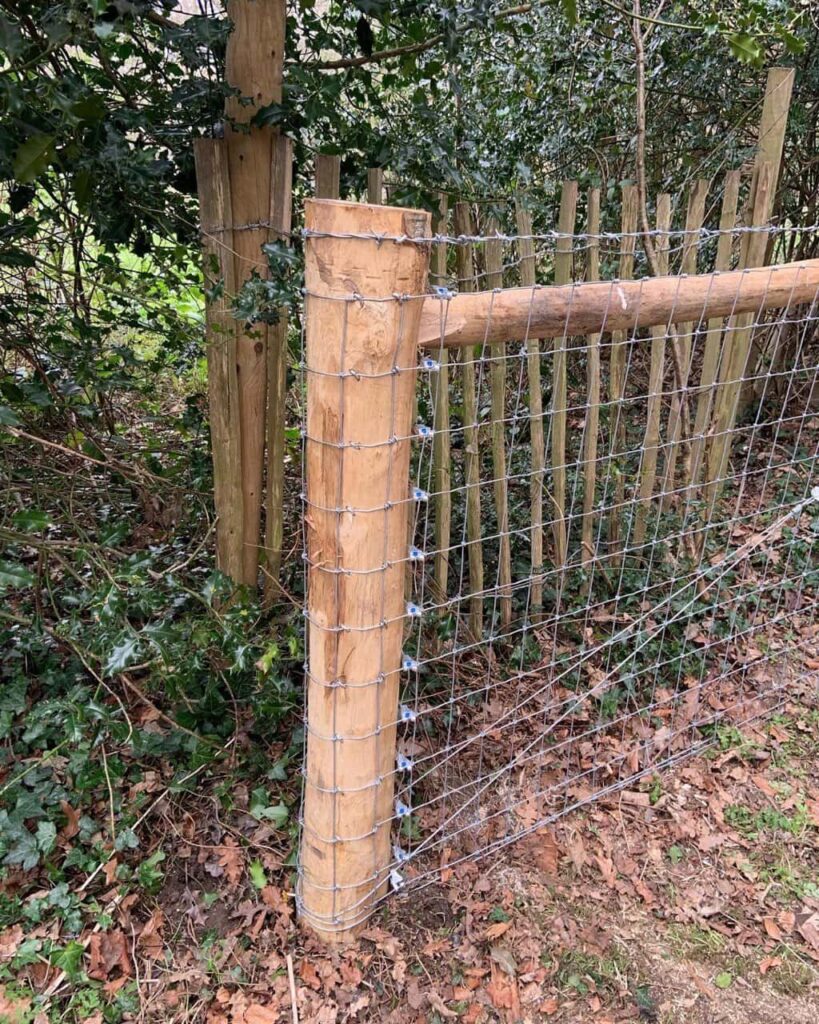
Identifying Common Wear Areas in Stock Fencing
Stock fencing is designed to be robust and long-lasting, making it a trusted boundary solution for agricultural land, paddocks, and open spaces. However, even well-installed fencing is subject to gradual wear over time. Understanding where stock fencing is most likely to deteriorate helps landowners in St Ives identify issues early and maintain secure, effective boundaries.
At Fast Fix Fencing St Ives, we regularly inspect stock fencing where early signs of wear could be addressed before they lead to larger failures.
Fence Posts at Ground Level
One of the most common wear points in stock fencing is at the base of the posts. Ground contact exposes posts to constant moisture, soil movement, and seasonal changes.
Over time, this can lead to softening, movement, or loss of stability, even when the upper sections of the post appear sound. Early signs often include leaning sections or reduced wire tension along the fence line.
Wire Tension Along Long Runs
Stock fencing relies on consistent wire tension to remain effective. Along long stretches, tension can gradually reduce due to temperature changes, animal pressure, or natural settlement of posts.
Sagging wire is often an early indicator that adjustments or repairs are needed. Left unaddressed, reduced tension can allow fencing to deform further, weakening the entire boundary.
Strain Points at Corners and Ends
Corners, gateways, and end posts experience significantly more stress than straight runs of fencing. These strain points absorb tension from multiple directions, making them more prone to movement or loosening over time.
Wear in these areas can cause knock-on effects along the fence line, so they should be checked regularly as part of routine inspection.
Areas of Frequent Contact
Sections of fencing where animals regularly lean, rub, or apply pressure are more likely to show wear. This is particularly common around feeding areas, water sources, or gateways.
Repeated contact can stretch wire, loosen fixings, or gradually pull posts out of alignment. Identifying these high-use areas helps target maintenance efforts where they are most needed.
Fixings and Wire Connections
Clips, staples, and ties that secure wire to posts can loosen or degrade over time. Even small failures in fixings can allow sections of wire to shift, reducing the overall effectiveness of the fence.
Checking fixings during routine inspections helps ensure the fence remains properly anchored and tensioned.
Low Spots and Uneven Ground
Stock fencing installed across uneven terrain can experience uneven wear. Low spots may collect moisture, while raised areas can place additional stress on wire and posts.
Ground movement in these locations may not be immediately obvious but can gradually affect alignment and stability if not addressed.
Signs That Wear Is Developing
Common indicators of developing wear include leaning posts, slack wire, uneven fence lines, or gaps forming near the ground. These signs suggest that components are under strain and may require attention to prevent further deterioration.
Addressing wear early helps maintain fence performance and reduces the need for more extensive work later on.
The Value of Professional Assessment
While some wear is inevitable, a professional assessment helps determine whether issues are localised or indicative of broader structural decline. Experienced fencing specialists know where to look for subtle signs that may not be immediately visible.
This informed approach ensures maintenance decisions are based on long-term performance rather than temporary fixes.
Conclusion
Stock fencing is built for durability, but certain areas are more susceptible to wear over time. Posts at ground level, high-tension points, frequent contact zones, and fixings all require regular attention to maintain fence integrity.
For landowners in St Ives, Cambridgeshire, understanding these common wear areas supports proactive maintenance and long-term boundary security. Fast Fix Fencing St Ives provide professional inspections and expert guidance, helping ensure stock fencing remains reliable, secure, and fit for purpose year after year.
Call us on: 01480 772 099
Click here to find out more about Fast Fix Fencing St.Ives
Click here to complete our contact form and see how we can help with your fencing needs.